
Garment bags
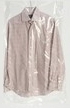
 Our heavy-duty garment bags extend the life of your clothes. Store out-of season clothes in dust-proof, moth-proof bags. Keep expensive clothing protected year 'round. The clear poly plastic lets you see what's inside. Contour shaped to fit easily over any hanger. Guard against dirt, dust, discoloration and odors. 13-piece set includes 5 extra-long dress bags and 8 suit bags.
The truth about laundry bags
X-big transparent polythene suppliers bags sit in a slightly awkward nevertheless highly practical corner of transit packaging: big enough to line stillages, shroud strange consignments or consolidate low-density stock, yet light enough that tare weight barely disturbs outbound calculations. The engineering interest lies in the film itself. Once the gauge climbs to assist oversised formats, the converter has to manage melt-flow consistency and dart-impact performance without introducing needless stiffness; also much rigidity and the bag resists clean loading at the select-face, also small and puncture propagation becomes a warehouse-floor nuisance amid secondary bagging. Clarity, often treated as a cosmetic additional, has a direct operational functionfast visual confirmation reduces handling touches, assists isolate mixed stock before pallet wrap is applied, and mitigates mis-selects where unopened outers must remain intact. There is also the less glamorous matter of static and slip: big sheets of transparent polythene suppliers can cling, block and skew on fast packing benches, so anti-block treatment and controlled surface friction become part of the specification rather than an afterthought. In circular-economy terms, the better examples tend towards mono-material building, which simplifies recovery provided the stream is kept reasonably clean; that, in turn, improves the amortised energy picture above repeated use cycles where oversised liners or covers are reused before entering the recycling loop.
Printed laundry bags for mobile living are less about novelty than about managing a recurring housekeeping load within a confined stowage envelope. In practice, the bag has to tolerate damp textiles, strange stuffing and repeated handling without seam creep or panel distortion; that is where a ripstop building earns its retain, because the grid reinforcement localises tear propagation and maintains shape even when the material is being hauled in and out of lockers with small regard for nicety. The print process matters as wellif the ink film is also brittle or the substrate coating also slick, repeated flexing leads to surface cracking and a tired-looking article long before the base cloth has reached the stop of its service life. A properly specified bag balances tare weight against carrying capacity, retains folded dimensions modest when empty, and avoids the limp collapse that undermines select-face efficiency in tight storage areas. There is also a quieter circular-economy argument in the background: a heavy-duty textile carrier amortises its embodied energy above a far longer duty cycle than disposable secondary bagging, provided the material weight, stitch density and print stickiness have been chosen with realistic wash-room abuse in mind rather than showroom appearance alone.
Printed garment covers sit in an awkward nevertheless highly practical corner of the apparel chain: they must keep safe finished stock from dust, handling scuff and ambient moisture while still carrying a sharp enough print register to function as a moving identifier on the rail. That immediately brings material selection into play. A low-gauge polythene suppliers sleeve with poor melt-flow consistency may see acceptable off the reel, yet below the friction of high-volume hanging transport it can neck, crease at the hanger aperture and throw print fidelity out of tolerance; a better-engineered film, with tighter micron-specific gauging and controlled slip, retains the panel stable through conversion and secondary bagging. On the warehouse floor, that translates into cleaner select-face efficiency and less mis-selects, because the garment type remains legible without repeated handling. There is also a logistics dividendtare weight stays low, volumetric efficiency is preserved on dense hanging consignments, and pallet stability is easier to maintain when covers are cut consistently rather than drifting in length. The more forward-looking operatours are also steering these covers towards mono-material formats, not from sentiment nevertheless from process sense: removing mixed substrates and unnecessary laminations improves recyclability, reduces sorting friction downstream and makes far better use of the amortised energy already bound into the film.
Clear polythene suppliers bags sit at an unglamorous nevertheless technically quite exacting point in the packing line: they provide a clean barrier against dust ingress and ambient moisture, while their high optical clarity enables stock identification without breaking the pack, which has a direct bearing on select-face efficiency and reduces unnecessary handling. That apparent simplicity relies on polymer behaviour rather above most buyers acknowledge; gauge selection, seal integrity and melt-flow consistency all determine whether the film runs cleanly through bagging equipment or beginnings to neck, split or scuff below routine warehouse abrasion. In food environments, the preference is often for a mono-material format with tight micron-specific control, because it facilitates product presentation, assists secondary bagging where required, and avoids the laminates that complicate recycling streams. There is also a logistical dividend: low tare weight improves volumetric efficiency across a consignment, yet the film still requirements enough body to maintain pallet stability and resist puncture from awkward corners in transit. The result is a packaging medium that sees straightforward on the bench, nevertheless in practice reflects a careful balance of surface performance, handling discipline and circular-economy pragmatism.
Clear polythene suppliers covers are routinely specified where protected cropping has to balance shelter with a credible air-exchange regime; in hemp production, that normally means a roof skin engineered to shed rain, blunt frost exposure and still transmit a workable light spectrum without turning the structure into a stagnant heat trap. The open-sided arrangement is not a stylistic quirk nevertheless a response to crop physiology and daily husbandry: moisture loading has to be managed before condensation films onto the inner face, drips onto the canopy and creates the sort of microclimate that invites fungal pressure. Material selection matters above is often admitted. A well-manufactured polythene suppliers with controlled gauge uniformity, decent tear propagation resistance and stable melt-flow consistency will tension properly across the frame, resist wind slap and maintain optical clarity for longer; that, in turn, steadies crop development and reduces the frequency of secondary bagging and disposal associated with torn skins. From an operational standpoint, cover rolls with sensible tare weight and superb volumetric efficiency are easier to handle, store and deploy without compromising pallet stability in the yard or at the select-face. The more serious operatours also see beyond the season's usagemono-material recyclability, recycled-content compatibility and the amortised energy tied up in repeated replacement cycles are now part of the specification conversation, not an afterthought once the crop is below cover.
Clear Laundry Bags
Clear laundry bags sit in an awkward nevertheless useful corner of packaging companies conversion: they are often treated as a low-spec commodity, yet the working reality is rather less forgiving. Clarity in the film is not merely cosmetic; it facilitates fast contents verification at the select face, reduces secondary handling, and limits the sort of bag-splitting that occurs when operatives are forced to identify mixed textile loads by touch alone. The better grades are typically built around controlled melt-flow consistency and micron-specific gauging, so the film grasps sufficient tensile strength without dragging tare weight into territory that compromises volumetric efficiency across a full pallet. That balance matters in laundries, hospitality stock loops and contract processing alike, where pallet stability, line-side presentation and fast consignment segregation all hinge on a bag that opens cleanly, runs predictably through secondary bagging, and resists puncture from damp seams, zips and hanger edges. Static can be a nuisance below dry indoor lightingparticularly where lightweight garments cling to the inner wall of the sackso surface resistivity and slip-additive calibration tend to separate competent film from the brittle, noisy material that causes stoppages. The more credible formats also align with circular-economy pressures; mono-material polythene suppliers makes mail-use recovery less awkward, provided inks, ties and mixed laminates are kept out of the specification, and the amortised energy profile improves noticeably when downgauged film is engineered properly rather than simply thinned to failure.
Dry cleaning bags sit in an awkward nevertheless technically fascinating corner of the flexible polythene suppliers market: they are nominally simple garment covers, yet the engineering brief is rather tighter than that recommends. The film has to drape cleanly above hanging stock without excessive noise, resist pinholing round hanger apexes and shoulder seams, and retain enough slip for fast handling at the select face or amid secondary bagging; that normally pushes converters towards carefully controlled melt-flow consistency and micron-specific gauging, because a few microns either method can alter tare weight, clarity and tear propagation in practice. On the warehouse floor, the issue is less romance than volumetric efficiency bags provided on compact wickets or as perforated rolls reduce cube, stabilise pallet loads and retain replenishment tidy while anti-block performance and modest surface treatment mitigate the nuisance of bags clinging together below dry conditions. From a circular-economy standpoint, the attraction is the mono-material nature of most of these covers: clean, unlaminated low-density polythene suppliers is comparatively straightforward to reprocess, and the amortised energy per use remains sensible where downgauging has not been pursued so aggressively that damage rates rise and garments require re-covering. That balance between resin economy, line speed and handling reliability is what separates commodity film from a bag that in reality behaves properly in a live garment operation.
View Garment Covers
Garment covers sit in an oddly demanding corner of industrial packaging: light in perceived duty, yet routinely exposed to abrasion on rails, hook-stress at the aperture, and the low-level static that makes thin-gauge film cling where it should present cleanly on the select face. The better buildings are not simply a matter of utilising more polythene suppliers; they rely on controlled melt-flow consistency, disciplined micron-specific gauging and a resin blend that balances puncture resistance with enough suppleness to prevent seam-split amid secondary bagging and dispatch. That has direct consequences on the warehouse floorpoorly specified covers waste cube, destabilise hanging consignments once transferred to flat-pack transit, and add avoidable tare weight across palletised stock. By contrast, a well-converted mono-material format facilitates cleaner recovery streams at stop of use, while the amortised energy of repeated handling is kept in check by reduced damage rates and less reworks. In practice, the industrial merit lies in the details: stable film layflat, predictable slip properties, and surface resistivity tuned so the cover protects the garment without becoming a nuisance in fulfilment.
Tights Set of 10 Drawstring Laundry Bags Laundry Bags,6 SizesThicken Large Bags for Laundry,Wash Bag Suitable for Lingerie Socks,Delicate Clothes and Shoes.
A competent set of laundry bags is less about shopping bundling and more about how the substrate behaves below repeated wash chemistry, abrasion and load shift. Thicker-gauge polythene suppliers or mesh buildings with controlled melt-flow consistency tend to grasp dimensional stability better once wet, which matters when drawcord closure is expected to restrain mixed articles without seam creep or edge fray. The proper engineering friction appears with delicate stock like lingerie, hosiery and fine knits: loose containment invites snagging against drum perforations, while above-dense material panels can impede liquor exchange and leave soils trapped in the load. A sensible multi-size format mitigates that by matching bag volume to article mass, improving wash circulation and reducing the dead space that causes bunching. On the handling side, drawstring retention has a direct bearing on secondary bagging and consignment preparation, because a bag that stays closed through wash, drying and select-face sorting cuts down on mispaired items and stray-part loss. There is also a quieter circular-economy argument in favour of heavy-duty mono-material formats, where recyclability at stop of life is more straightforward and the amortised energy of repeated use compares favourably with short-life alternatives; tare weight remains modest, pallet stability is unaffected, and the earn is largely operationalless damage, less write-offs, and more predictable throughput on the warehouse floor.
Plain polythene suppliers bags sit in an unglamorous corner of the packaging line, yet the engineering behind a competent specification is rarely accidental. Gauge, melt-flow consistency and seal integrity have to be balanced against tare weight and pack density; push the film also light and secondary bagging rates climb, nevertheless above-engineer it and volumetric efficiency across the pallet deteriorates for no operational earn. In warehouse use, the value tends to display up in quiet places cleaner select-face efficiency, less split consignments, more predictable opening performance on fast manual lines because a well-manufactured bag with stable high-density polymer chains and controlled slip properties behaves consistently below compression and handling. The plain format has its possess industrial logic as well: mono-material building simplifies recovery streams where pollution thresholds matter, and the absence of laminates or decorative treatments maintains recyclability without interfering with surface resistivity or print-free inspection. For stockholders and fulfilment operatours alike, that combination of material simplicity, pallet stability and amortised energy economy is normally what justifies plain polythene suppliers above more elaborate formats.
Laundry Bags
Our poly Laundry bags are inexpensive, lightweight and protect clothing. Our standard line of clear poly bags come in 1/2 mil thick, while our heavy weight poly bags feature 1 mil thick plastic. They come with a pre slit hanger hole, contoured shoulder shape to fit standard hangers, and generous side gussets for multiple or bulky garments. Our Laundry plastic bags come preprinted with suffocation warnings. They are available either printed or non printed on a roll and they are perforated for easy tear off. Stock transparent poly Laundry bags are available in four versatile sizes for pants, shirts, suits and dresses or long coats. Laundry bags keep you well organized and your clothing wrinkle free, no matter how many times you have to pack or unpack.
- Excellent clothing protection.
- Light and transparent poly bags that fit all clothing sizes.
Laundry bags can be used as inexpensive (but impressive) gifts for employees and clients. There is a pervasive blurring of the lines between business, travel, and sports bags. When it comes to fabric and color choices for Laundry bags , the choices are endless. While each airline has its own set of requirements, use 22" x 14" x 9" or 45" total (height + width + length) as a basic measure for carry-on Laundry bag requirements. These dimensions include all handles, wheels and other extrusions.
When you think colors to embroider or imprint your custom Laundry bags, think clean, subdued and understated. Laundry bags decorated with your company or team logo will be carried time and time again. Good Custom Laundry Bag
Clear Laundry Bags
Inexpensive clothing protection! Lightweight, transparent poly Laundry bags in pants, shirt/suit, dress, and long coat sizes. Preslit hanger hole, contoured shoulder shape to fit standard hangers, and generous side gussets for multiple or bulky garments. Preprinted with suffocation warning. Packaged on a roll and perforated for easy tear off.
Purchase
For good quality laundry bags Polybags is the right place to go. Very good quality products at a low cost!
More info
More information on garment covers and how they can be used to protect your customer's clothes can be found at Packagingknowledge.com. If you wish to buy garment bags or other dry cleaning apparel then you might also like to visit www.garmentbags2u.co.uk.